

Hey there! As a supplier of Open Type Fin Press Line, I often get asked about how our machines prevent fin deformation during production. It's a crucial question, especially for those in the HVAC and air conditioning industries where fins play a vital role in heat exchange efficiency. So, let's dive right in and explore the key factors and technologies that help us achieve this goal.
Understanding Fin Deformation
Before we get into the prevention methods, it's important to understand what causes fin deformation in the first place. Fins are thin, delicate components that are typically made of aluminum or copper. During the stamping process, they are subjected to high pressure and stress, which can lead to various forms of deformation, such as bending, wrinkling, or cracking. These deformations not only affect the appearance of the fins but also reduce their heat transfer efficiency and overall performance.
Design and Engineering
One of the primary ways we prevent fin deformation is through careful design and engineering of our Open Type Fin Press Line. Our machines are built with precision and accuracy, using high-quality materials and advanced manufacturing techniques. The stamping dies, for example, are designed to apply even pressure across the entire fin surface, ensuring consistent and uniform results. We also use computer-aided design (CAD) and simulation software to optimize the die design and minimize the risk of deformation.
In addition to the die design, we pay close attention to the overall layout and configuration of the press line. The feeding system, for instance, is designed to ensure smooth and continuous movement of the fin material, reducing the chances of jams or misalignments that can cause deformation. We also incorporate advanced sensors and control systems to monitor and adjust the stamping process in real-time, ensuring that the fins are formed correctly and without any defects.
Material Selection and Preparation
Another important factor in preventing fin deformation is the selection and preparation of the fin material. We work closely with our suppliers to source high-quality aluminum or copper alloys that have the right properties for fin production. These materials are carefully tested and inspected to ensure that they meet our strict quality standards.

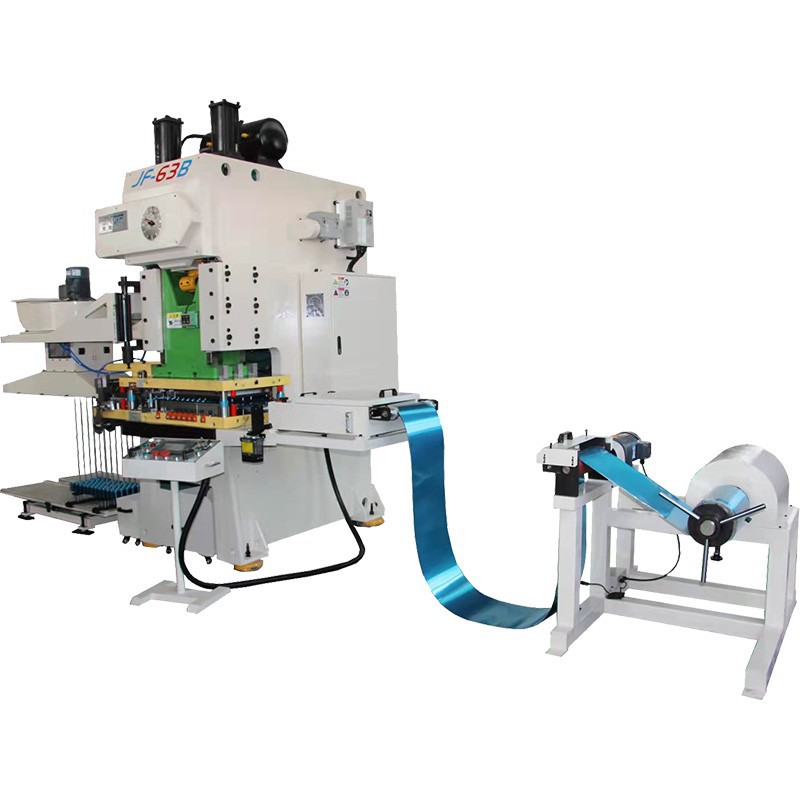
Before the stamping process, the fin material is typically cleaned and lubricated to reduce friction and prevent scratching or damage. We also use specialized coatings or treatments to enhance the corrosion resistance and durability of the fins. These measures not only help to prevent deformation but also improve the overall quality and performance of the fins.
Process Control and Monitoring
To ensure consistent and reliable production, we implement strict process control and monitoring measures throughout the stamping process. Our operators are trained to follow standardized procedures and use advanced equipment to monitor key parameters such as pressure, temperature, and speed. Any deviations from the set parameters are immediately detected and corrected to prevent fin deformation.
We also use statistical process control (SPC) techniques to analyze and monitor the production process over time. This allows us to identify trends and patterns in the data and make adjustments to the process as needed to improve quality and reduce the risk of deformation. By continuously monitoring and optimizing the production process, we can ensure that our Open Type Fin Press Line produces high-quality fins with minimal deformation.
Quality Assurance and Testing
In addition to process control and monitoring, we have a comprehensive quality assurance program in place to ensure that our fins meet the highest standards of quality and performance. Our quality control team conducts regular inspections and tests on the fins at various stages of the production process, including incoming material inspection, in-process inspection, and final inspection.
We use a variety of testing methods, such as visual inspection, dimensional measurement, and mechanical testing, to ensure that the fins meet the specified requirements. Any fins that do not meet the quality standards are immediately rejected and reworked or scrapped. By implementing a rigorous quality assurance program, we can ensure that our customers receive only the highest quality fins that are free from deformation and other defects.
Conclusion
In conclusion, preventing fin deformation during production is a complex and challenging task that requires a combination of careful design, engineering, material selection, process control, and quality assurance. At our company, we are committed to providing our customers with the highest quality Open Type Fin Press Line that is designed to prevent fin deformation and produce high-quality fins with consistent results.
If you're in the market for an Open Type Fin Press Line or have any questions about our products or services, please don't hesitate to contact us. We'd be happy to discuss your specific needs and provide you with a customized solution that meets your requirements.


