

Hey there! As a fin machine supplier, I know how crucial it is to ensure the fin quality consistency of our products. In this blog, I'll share some practical tips and strategies that we've found effective in maintaining top - notch fin quality across all our fin machine outputs.

First off, let's understand why fin quality consistency matters so much. Fins are used in a wide range of applications, especially in the HVAC (Heating, Ventilation, and Air Conditioning) industry. In air conditioners, for example, fins play a vital role in heat transfer. Inconsistent fin quality can lead to reduced heat transfer efficiency, which in turn affects the overall performance of the air - conditioning unit. It can also result in increased energy consumption, shorter equipment lifespan, and higher maintenance costs for the end - users. So, getting that consistent quality is a win - win for both us suppliers and our customers.
1. High - Quality Raw Materials
The foundation of consistent fin quality starts with the raw materials. We always source our materials from reliable suppliers. The thickness, material composition, and surface finish of the raw metal sheets used for fins are carefully controlled. For instance, if the thickness of the sheet varies even slightly, it can lead to differences in fin dimensions after stamping. We conduct regular quality checks on incoming materials, including tests for hardness, tensile strength, and surface smoothness. By ensuring that the raw materials meet our strict standards, we set a solid base for producing consistent fins.
2. Precision Machine Calibration
Our fin machines need to be calibrated regularly to ensure they operate at peak performance. Every component of the machine, from the stamping dies to the feeding systems, must be precisely adjusted. The stamping force, speed, and stroke length are critical parameters that directly impact fin quality. If the stamping force is too high, it can cause the fins to crack or deform. On the other hand, if it's too low, the fins may not be fully formed. We use advanced calibration tools and techniques to make sure these parameters are set correctly and maintained over time. This includes periodic inspections and adjustments by our experienced technicians.
3. Advanced Manufacturing Technology
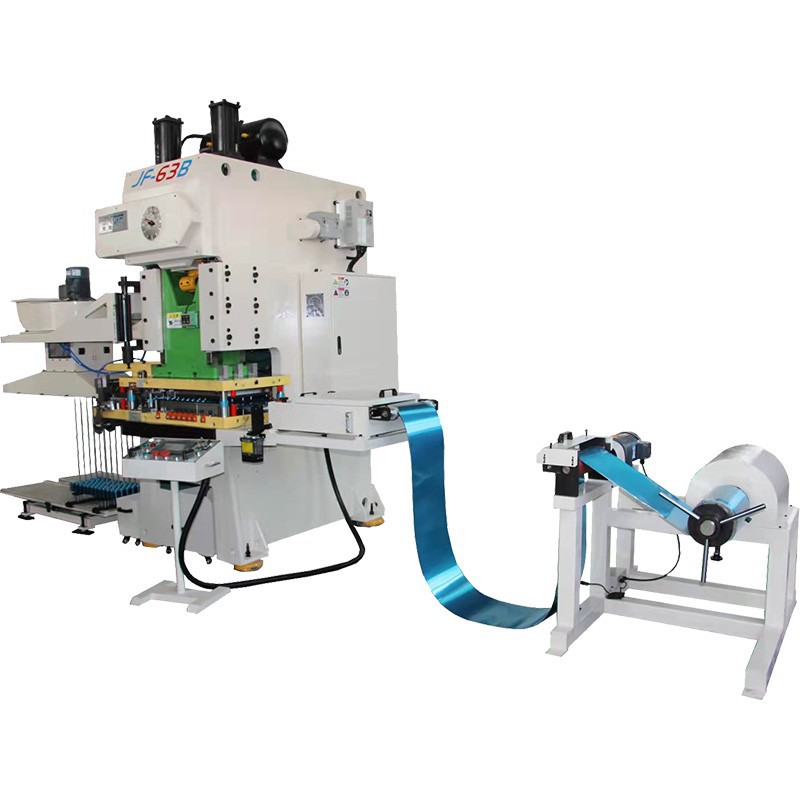
Investing in advanced manufacturing technology is key to achieving fin quality consistency. Our Stamping Machine Line for Air Condition is equipped with state - of - the - art sensors and control systems. These sensors can monitor various aspects of the manufacturing process in real - time, such as the temperature of the stamping dies, the position of the metal sheet, and the force applied during stamping. If any parameter goes out of the acceptable range, the system can automatically adjust the machine settings to correct the issue. This real - time feedback loop helps us catch and resolve problems before they result in inconsistent fin quality.
4. Quality Control at Every Stage
We implement a comprehensive quality control system that covers every stage of the fin manufacturing process. From the initial raw material inspection to the final product packaging, we have multiple checkpoints. At the stamping stage, we visually inspect a sample of fins for any visible defects, such as scratches, burrs, or uneven shapes. We also use measuring tools to verify the dimensions of the fins, including the height, width, and pitch. In addition, we conduct functional tests on a regular basis to ensure that the fins perform as expected in terms of heat transfer. By having strict quality control at every step, we can quickly identify and address any quality issues that may arise.
5. Employee Training and Skill Development
Our employees are the heart of our operation. We provide regular training programs to ensure that they are well - versed in the latest manufacturing techniques and quality control procedures. They are trained to operate the fin machines correctly, perform routine maintenance, and identify potential quality problems. For example, our operators know how to recognize the signs of a worn - out stamping die and when it needs to be replaced. By investing in our employees' skills, we can improve the overall quality of our fin production and maintain consistency.
6. Process Standardization
Standardizing the manufacturing process is essential for fin quality consistency. We have detailed operating manuals that outline every step of the fin production process, from loading the raw materials to unloading the finished fins. These manuals specify the exact settings for the machines, the quality requirements for each stage, and the inspection procedures. By following these standardized processes, we can minimize the variability in fin production. Whether it's a new operator or an experienced one, everyone knows exactly what to do to produce fins of consistent quality.
7. Continuous Improvement
The pursuit of fin quality consistency is an ongoing process. We regularly collect data on fin quality, production efficiency, and machine performance. By analyzing this data, we can identify areas for improvement. For example, if we notice a trend of slightly inconsistent fin dimensions in a particular batch, we can investigate the root cause, which could be a problem with the stamping die or the feeding system. We then take corrective actions, such as adjusting the machine settings or replacing the worn - out parts. This continuous improvement approach helps us stay ahead of quality issues and ensure that our fin machines consistently produce high - quality fins.
8. Different Machine Types and Their Impact on Quality
We offer different types of fin press lines, such as the Open Type Fin Press Line and the H Type Fin Press Line. Each type has its own unique features and advantages, but they all need to be managed properly to ensure fin quality consistency. The open - type fin press line is known for its flexibility and ease of maintenance. However, it requires careful adjustment of the feeding and stamping mechanisms to avoid any misalignment that could lead to inconsistent fins. The H - type fin press line, on the other hand, is designed for high - volume production. It has a more robust structure, but the precision of its components still needs to be maintained to guarantee consistent fin quality.
In conclusion, ensuring the fin quality consistency of a fin machine's products is a multi - faceted process. It involves everything from using high - quality raw materials and precision machine calibration to implementing strict quality control and continuous improvement. By following these strategies, we've been able to provide our customers with fins of consistent high quality.
If you're in the market for fin machines or looking to improve the quality of your fin production, I'd love to have a chat with you. Feel free to reach out and let's discuss how our fin machines can meet your specific needs and help you achieve the fin quality consistency you're aiming for.
References
- Industry best practices in fin manufacturing
- Technical manuals of our fin machines
- Research on heat transfer and fin performance in HVAC systems


