

As a supplier of fin press lines, understanding the maintenance intervals for different parts of these lines is crucial for ensuring their optimal performance, longevity, and efficiency. In this blog, I will delve into the various components of a fin press line and discuss the recommended maintenance intervals for each.
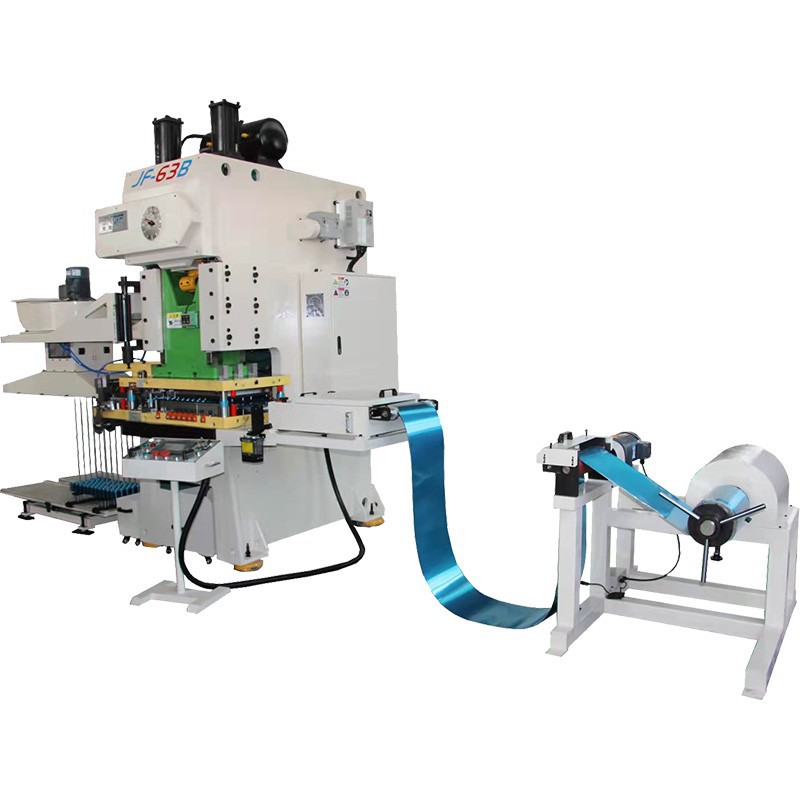

1. Press Mechanism
The press mechanism is the heart of a fin press line, responsible for stamping and forming the fins. It consists of a hydraulic or mechanical system that applies pressure to the dies.
- Hydraulic System: For hydraulic press systems, regular maintenance is essential to prevent leaks and ensure proper pressure regulation. The hydraulic fluid should be changed every 12 - 18 months, depending on the operating conditions. Filters in the hydraulic system should be replaced every 3 - 6 months to remove contaminants and maintain the fluid's cleanliness.
- Mechanical Components: The mechanical parts of the press, such as the crankshaft, connecting rods, and bearings, require lubrication. Lubrication should be carried out every 200 - 300 operating hours. Visual inspections of these components should be done monthly to check for signs of wear, cracks, or misalignment.
2. Die Sets
Die sets are used to shape the fins and are subject to significant wear and tear during the stamping process.
- Inspection and Cleaning: Die sets should be inspected after every 50,000 - 100,000 strokes. During the inspection, check for any signs of damage, such as chipping or excessive wear on the cutting edges. Cleaning the die sets after each production run is also important to remove debris and prevent corrosion.
- Sharpening and Replacement: Depending on the material being stamped and the frequency of use, die sets may need to be sharpened every 100,000 - 200,000 strokes. In some cases, when the wear is too severe, the die sets may need to be replaced.
3. Conveyor Systems
Conveyor systems are used to transport the fins through the press line.
- Belt and Chain Maintenance: The conveyor belts and chains should be inspected weekly for signs of wear, such as fraying or stretching. Tension adjustments may be required every 1 - 2 months to ensure proper operation. Lubrication of the chain drive should be done every 50 - 100 operating hours.
- Roller Bearings: The roller bearings in the conveyor system should be lubricated every 3 - 6 months. Regular inspections should be carried out to detect any abnormal noise or vibration, which may indicate bearing failure.
4. Electrical Components
Electrical components play a vital role in the operation of a fin press line, including motors, controllers, and sensors.
- Visual Inspections: Weekly visual inspections of electrical components are recommended to check for loose connections, damaged wires, or signs of overheating. Any issues should be addressed immediately to prevent electrical failures.
- Testing and Calibration: Electrical components should be tested and calibrated annually to ensure accurate operation. This includes checking the motor performance, controller settings, and sensor accuracy.
5. Lubrication Systems
Lubrication is essential for reducing friction and wear in various parts of the fin press line.
- Lubricant Levels: The lubricant levels in the lubrication system should be checked daily. If the levels are low, the lubricant should be replenished.
- Filter Replacement: The lubricant filters should be replaced every 3 - 6 months to maintain the quality of the lubricant.
Specific Fin Press Line Models and Their Maintenance Considerations
- H Type Fin Press Line: This type of fin press line may have unique features and components that require specific maintenance intervals. For example, the H-type design may have additional support structures that need to be inspected for stability every 6 - 12 months.
- Stamping Machine Line for Air Condition: Since this line is specifically designed for air - conditioning fins, it may be subject to different operating conditions. The dies used in this line may need more frequent inspections due to the high - precision requirements of air - conditioning fins.
- Open Type Fin Press Line: The open - type design allows for easier access to components, which can facilitate maintenance. However, the exposed parts may be more susceptible to dust and debris, so more frequent cleaning and inspections are recommended.
Importance of Regular Maintenance
Regular maintenance of a fin press line offers several benefits. Firstly, it helps to prevent unexpected breakdowns, which can lead to costly production downtime. Secondly, it extends the lifespan of the equipment, reducing the need for frequent replacements. Thirdly, it ensures the quality of the fins produced, as well - maintained equipment is more likely to produce consistent and high - quality products.
Contact for Procurement and Maintenance Consultation
If you are interested in purchasing a fin press line or need more information about maintenance intervals and best practices, we are here to assist you. Our team of experts can provide detailed guidance on the specific maintenance requirements for different models of fin press lines. Feel free to reach out to us for a consultation and to discuss your procurement needs.
References
- Industry standards and guidelines for fin press line maintenance.
- Manufacturer's manuals for fin press line equipment.


