

Hey there! As a supplier of stamping machines, I've had the privilege of working with a wide range of customers in various industries. One common question I often get is, "What are the requirements for embossing with a stamping machine?" Well, let's dive right into it.
Material Considerations
First off, the material you're using plays a huge role in the embossing process. Different materials have different properties, and you need to make sure your stamping machine can handle them.
Metal
Metals like aluminum, steel, and copper are commonly used for embossing. Aluminum is lightweight and easy to work with, making it a popular choice for many applications. Steel, on the other hand, is stronger and more durable, but it can be a bit more challenging to emboss. Copper has a beautiful finish and is often used for decorative purposes.
When embossing metal, you need to consider the thickness of the material. Thicker metals require more pressure to emboss, so you'll need a stamping machine with enough power. You also need to make sure the stamping dies are made from a hard material that can withstand the pressure.
Plastic
Plastic is another popular material for embossing. It's lightweight, flexible, and comes in a variety of colors and finishes. There are different types of plastics, such as ABS, PVC, and polycarbonate, each with its own unique properties.
When embossing plastic, you need to be careful not to overheat the material, as this can cause it to warp or melt. You also need to make sure the stamping dies are designed to work with plastic, as they may need to be more flexible than those used for metal.
Paper and Cardboard
Paper and cardboard are commonly used for embossing in the printing and packaging industries. They're relatively easy to work with and can be embossed to create a variety of effects, such as raised letters, patterns, and textures.
When embossing paper and cardboard, you need to consider the thickness and quality of the material. Thicker papers and cardboards may require more pressure to emboss, while thinner materials may be more prone to tearing. You also need to make sure the stamping dies are sharp and clean to ensure a clear and crisp emboss.
Machine Specifications
In addition to the material, you also need to consider the specifications of your stamping machine. Here are some key factors to keep in mind:
Pressure
The pressure of the stamping machine is one of the most important factors in the embossing process. You need to make sure the machine can apply enough pressure to create a clear and deep emboss. The pressure required will depend on the material you're using and the size and complexity of the design.
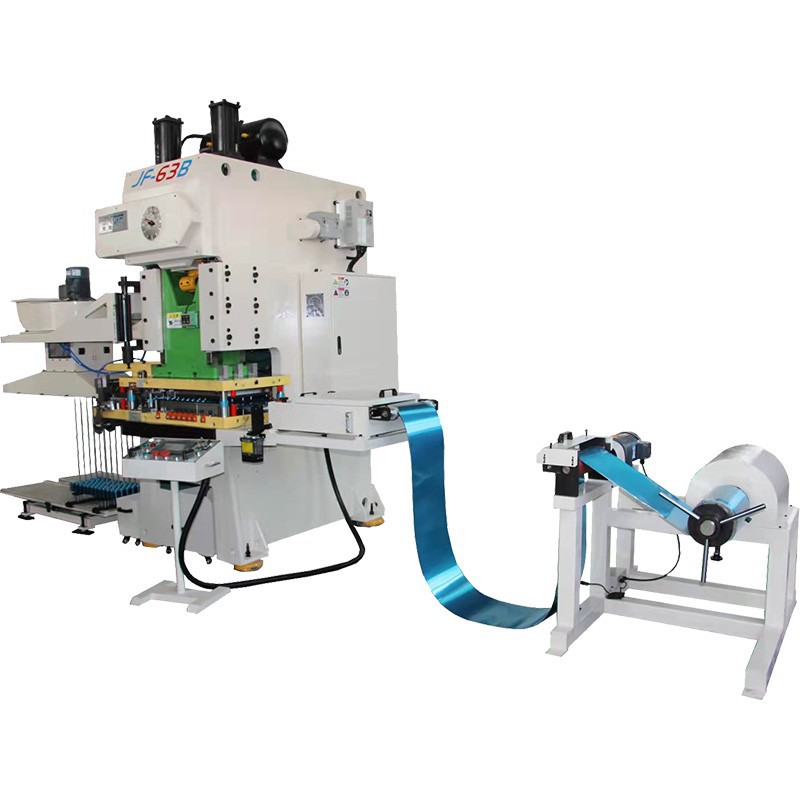

Speed
The speed of the stamping machine is another important factor. You need to make sure the machine can operate at a speed that is efficient and productive. However, you also need to make sure the speed is not too fast, as this can cause the emboss to be less clear or even damage the material.
Die Size and Design
The size and design of the stamping dies are also important. You need to make sure the dies are the right size and shape for the material you're using and the design you want to emboss. You also need to make sure the dies are made from a high-quality material that can withstand the pressure and wear and tear of the embossing process.
Automation
Many stamping machines today are automated, which can increase efficiency and productivity. Automated machines can be programmed to perform a variety of tasks, such as feeding the material, applying the pressure, and ejecting the finished product. However, automated machines can also be more expensive and require more maintenance.
Design Considerations
The design you want to emboss is also an important factor to consider. Here are some things to keep in mind:
Complexity
The complexity of the design will affect the embossing process. More complex designs may require more pressure and a higher level of precision. You also need to make sure the design is suitable for the material you're using and the stamping machine you have.
Size
The size of the design will also affect the embossing process. Larger designs may require a larger stamping machine and more pressure to emboss. You also need to make sure the design fits within the working area of the stamping machine.
Orientation
The orientation of the design is also important. You need to make sure the design is oriented correctly on the material to ensure a clear and accurate emboss. You may also need to consider the direction of the emboss, as this can affect the appearance of the finished product.
Maintenance and Safety
Finally, it's important to keep your stamping machine well-maintained and to follow all safety procedures. Here are some tips:
Maintenance
Regular maintenance is essential to keep your stamping machine in good working condition. This includes cleaning the machine, lubricating the moving parts, and replacing any worn or damaged parts. You should also follow the manufacturer's recommendations for maintenance and servicing.
Safety
Safety is always a top priority when working with stamping machines. You should always wear appropriate safety gear, such as gloves and goggles, and follow all safety procedures. You should also make sure the machine is properly grounded and that all electrical connections are secure.
Conclusion
In conclusion, embossing with a stamping machine requires careful consideration of the material, machine specifications, design, and maintenance. By following these guidelines, you can ensure a successful embossing process and create high-quality products.
If you're interested in learning more about our stamping machines or have any questions about embossing, please don't hesitate to [contact us for a free consultation]. We offer a wide range of stamping machines, including the Stamping Machine Line for Air Condition, H Type Fin Press Line, and Open Type Fin Press Line. Our team of experts can help you choose the right machine for your needs and provide you with all the support and training you need to get started.
References
- [List any relevant industry standards, technical manuals, or other sources of information here]


