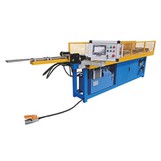
As a trusted Fin Press Mold supplier, I understand the critical importance of safety when using these molds. Fin Press Molds are widely used in various industries, such as automotive, aerospace, and electronics, to manufacture heat exchangers and other components. However, improper use of these molds can lead to serious accidents and injuries. In this blog post, I will share some essential safety precautions that users should take when working with Fin Press Molds.
1. Pre - operation Safety Checks
Before starting to use a Fin Press Mold, a series of pre - operation safety checks must be carried out. First, visually inspect the mold for any signs of damage, such as cracks, chips, or excessive wear. A damaged mold can not only produce defective products but also pose a significant safety risk. For example, a crack in the mold may cause it to break during operation, sending sharp fragments flying.
Check the alignment of the mold components. Misaligned molds can lead to uneven pressure distribution, which may result in the mold jamming or the workpiece being deformed. Ensure that all fasteners, such as bolts and nuts, are properly tightened. Loose fasteners can cause the mold to shift during operation, leading to potential hazards.
Verify the functionality of the press machine that will be used with the Fin Press Mold. Check the hydraulic system, electrical connections, and safety guards. The press machine should be in good working condition, and all safety features should be operational. For instance, the emergency stop button should be easily accessible and in working order.
2. Personal Protective Equipment (PPE)
Wearing appropriate personal protective equipment is crucial when using a Fin Press Mold. Operators should wear safety glasses to protect their eyes from flying debris. The high - pressure operation of the press can cause small metal particles or chips to be ejected, and safety glasses can prevent these from causing eye injuries.
Gloves are also necessary. They protect the hands from cuts, abrasions, and burns. When handling the mold or the workpieces, there is a risk of sharp edges or hot surfaces. Heat - resistant gloves are recommended, especially when dealing with molds that are heated during the forming process.
In addition, operators should wear safety shoes. These shoes provide protection against falling objects and punctures. In a manufacturing environment, there is always a risk of heavy objects being dropped, and safety shoes can prevent foot injuries.
3. Operating Procedures
Follow the correct operating procedures when using a Fin Press Mold. First, ensure that the workpiece is properly placed in the mold. Incorrect placement can lead to uneven pressure, which may cause the mold to damage or the workpiece to be poorly formed.
Set the correct pressure and speed for the press machine. The pressure should be adjusted according to the material and thickness of the workpiece. Excessive pressure can damage the mold and the workpiece, while insufficient pressure may result in incomplete forming. The speed of the press should also be set appropriately to ensure a smooth operation.
Do not reach into the press while it is in operation. This is a common cause of accidents. Always use tools to remove or place workpieces in the mold. There should be a clear safety distance between the operator and the moving parts of the press.
4. Maintenance and Inspection
Regular maintenance and inspection of the Fin Press Mold are essential for safety. After each use, clean the mold to remove any debris or residue. This helps to prevent the build - up of contaminants, which can affect the performance of the mold and cause damage over time.
Inspect the mold for wear and tear on a regular basis. Replace any worn - out parts promptly. For example, if the cutting edges of the mold are dull, they should be sharpened or replaced. This not only ensures the quality of the products but also reduces the risk of accidents.
Keep a maintenance log for the mold. Record all maintenance activities, including cleaning, inspection, and part replacement. This log can help to track the condition of the mold over time and identify any potential issues.
5. Training and Education
Proper training and education are vital for operators who use Fin Press Molds. Operators should be trained on the correct use of the mold, including how to perform pre - operation checks, set the press machine, and handle workpieces safely.
Training should also cover emergency procedures. Operators should know how to respond in case of an accident, such as a fire, a machine malfunction, or an injury. They should be familiar with the location of emergency exits, fire extinguishers, and first - aid kits.
Regular refresher courses should be provided to ensure that operators stay up - to - date with the latest safety practices and procedures.
6. Environmental Considerations
The environment in which the Fin Press Mold is used also plays an important role in safety. The workspace should be well - ventilated to prevent the build - up of fumes and dust. Some molding processes may produce harmful fumes, and proper ventilation can help to remove these from the air.
The floor should be clean and dry to prevent slips and falls. In a manufacturing environment, there may be oil, water, or other liquids on the floor, which can make it slippery. Regular cleaning and the use of anti - slip mats can help to reduce the risk of accidents.
The lighting in the workspace should be adequate. Poor lighting can make it difficult for operators to see clearly, increasing the risk of errors and accidents.

7. Risk Assessment
Conduct a risk assessment before using a Fin Press Mold. Identify all potential hazards associated with the mold and the press machine, such as mechanical hazards, electrical hazards, and chemical hazards. Develop a plan to mitigate these risks.
For example, if there is a risk of electrical shock, ensure that all electrical components are properly grounded and insulated. If there is a risk of chemical exposure, provide appropriate personal protective equipment and ensure proper ventilation.
Regularly review and update the risk assessment as the working conditions or the mold itself change.
Conclusion
Using a Fin Press Mold safely requires a combination of proper pre - operation checks, the use of personal protective equipment, following correct operating procedures, regular maintenance, training, environmental considerations, and risk assessment. By taking these safety precautions, operators can minimize the risk of accidents and injuries, and ensure the efficient and reliable operation of the Fin Press Mold.
If you are interested in purchasing high - quality Fin Press Mold, please feel free to contact us for more information and to discuss your specific requirements. We are committed to providing you with the best products and services to meet your needs.
References
- "Safety Guidelines for Metalworking Machinery", Occupational Safety and Health Administration (OSHA)
- "Mold Design and Manufacturing Handbook", Industry Press