

In the manufacturing industry, high speed fin presses play a crucial role in the production of heat exchangers, which are widely used in air - conditioning systems, refrigeration units, and other thermal management applications. As a high speed fin press supplier, I am often asked about the maximum speed of these machines. In this blog, I will delve into the factors that determine the maximum speed of a high speed fin press and provide some insights based on our experience in the market.
Understanding High Speed Fin Presses
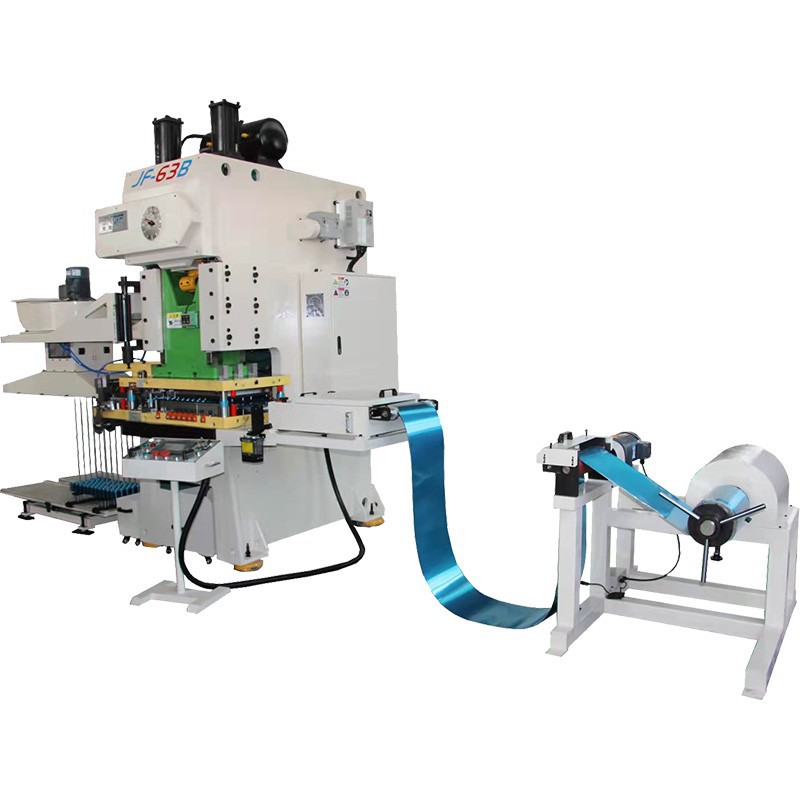
Before discussing the maximum speed, it's important to understand what a high speed fin press is. A high speed fin press is a specialized machine used to stamp and form fins from metal sheets. These fins are then assembled into heat exchangers to increase the surface area for heat transfer. The process involves a series of precise operations, including stamping, punching, and forming, all of which need to be carried out at high speeds to meet the production demands of modern manufacturing.
Factors Affecting the Maximum Speed
1. Mechanical Design
The mechanical design of the high speed fin press is a fundamental factor influencing its maximum speed. The structure of the press must be rigid enough to withstand the high - frequency forces generated during the stamping process. A well - designed frame and drive system can reduce vibrations and ensure smooth operation at high speeds. For example, presses with a high - quality crankshaft or servo - driven system can achieve more precise motion control, allowing for faster stamping cycles.
2. Tooling Quality
The quality of the tooling used in the fin press is also critical. High - precision tooling can accurately cut and form the fins, reducing the likelihood of errors or defects. Dull or poorly made tools can cause jams, misalignments, and other issues that slow down the production process. Additionally, the tooling's durability is important. Tools that can withstand a large number of stamping cycles without significant wear and tear allow the press to operate at higher speeds for longer periods.
3. Material Properties
The type and properties of the material being processed have a significant impact on the maximum speed of the fin press. Different metals, such as aluminum, copper, and steel, have different ductility, hardness, and thickness. Softer materials like aluminum are generally easier to stamp and can be processed at higher speeds compared to harder materials like steel. Thicker materials also require more force to stamp, which may limit the speed of the press.
4. Control System
The control system of the high speed fin press is responsible for coordinating the various components of the machine and ensuring that the stamping process is carried out accurately. A modern, advanced control system can adjust the speed, position, and force of the press in real - time, allowing for optimal performance. For example, servo - controlled presses can automatically adjust the speed based on the load and other factors, enabling higher speeds while maintaining quality.

Real - World Maximum Speeds
Based on our experience as a high speed fin press supplier, the maximum speed of a high speed fin press can vary widely depending on the above factors. In general, for standard aluminum fins with a relatively thin thickness (e.g., 0.1 - 0.2 mm), modern high speed fin presses can achieve speeds of up to 600 - 1000 strokes per minute. However, when processing thicker or harder materials, or when more complex fin designs are required, the speed may be reduced to 200 - 400 strokes per minute.
It's important to note that achieving the maximum speed is not always the goal. Sometimes, a lower speed may be preferred to ensure the quality of the fins, especially when working with high - value materials or when tight tolerances are required.
Our Product Range and Speed Capabilities
As a supplier, we offer a variety of high speed fin presses to meet different production needs. Our Open Type Fin Press Line is designed for flexibility and ease of operation. It can achieve high speeds while still providing excellent access for tooling changes and maintenance. This press is suitable for a wide range of fin materials and designs, with a maximum speed that can reach up to 800 strokes per minute for standard aluminum fins.
Our Stamping Machine Line for Air Condition is specifically tailored for the air - conditioning industry. It features advanced control systems and high - precision tooling, allowing for efficient production of fins used in air - conditioning heat exchangers. This line can operate at speeds of up to 700 strokes per minute, ensuring high - volume production without sacrificing quality.
The H Type Fin Press Line is a heavy - duty option for more demanding applications. With a robust mechanical design and high - performance tooling, it can handle thicker materials and more complex fin shapes. Although its maximum speed may be slightly lower compared to the other two lines, it can still achieve up to 500 strokes per minute for certain materials.
Conclusion
In conclusion, the maximum speed of a high speed fin press is determined by a combination of mechanical design, tooling quality, material properties, and control system. While modern presses can achieve impressive speeds, it's essential to balance speed with quality and efficiency. As a high speed fin press supplier, we are committed to providing our customers with the best - in - class machines that offer a good balance between speed and performance.
If you are in the market for a high speed fin press or have any questions about our products, we encourage you to reach out to us for a detailed discussion. Our team of experts can help you select the right machine based on your specific production requirements and provide you with comprehensive support throughout the purchasing process.
References
- "Metal Stamping Handbook" by Peter Ulintz
- "Advanced Manufacturing Technology" by Geoffrey Boothroyd


