

Operating a CNC (Computer Numerical Control) punching machine is a skill - intensive and dynamic task that demands a blend of technical know - how, problem - solving abilities, and practical experience. As a reputable punching machine supplier, I understand the intricacies involved in efficiently operating these sophisticated machines, and I'm here to share the essential skills required.
Technical Knowledge
Machine Programming
The core of operating a CNC punching machine lies in programming. Operators must be well - versed in G - code and M - code languages, which are the standard programming languages used in CNC machining. G - codes control the motion of the machine, such as positioning the punching head, while M - codes manage auxiliary functions like turning on the coolant or activating the spindle.
A thorough understanding of CAD (Computer - Aided Design) and CAM (Computer - Aided Manufacturing) software is also crucial. CAD software is used to create 2D or 3D models of the parts to be punched, and CAM software translates these models into the appropriate machine instructions. Operators need to be able to import CAD files, define the toolpath, select the appropriate punching tools, and generate the G - code programs. For example, when creating a program for a complex sheet - metal part with multiple holes and cutouts, the operator must precisely define the toolpath to ensure efficient and accurate punching.

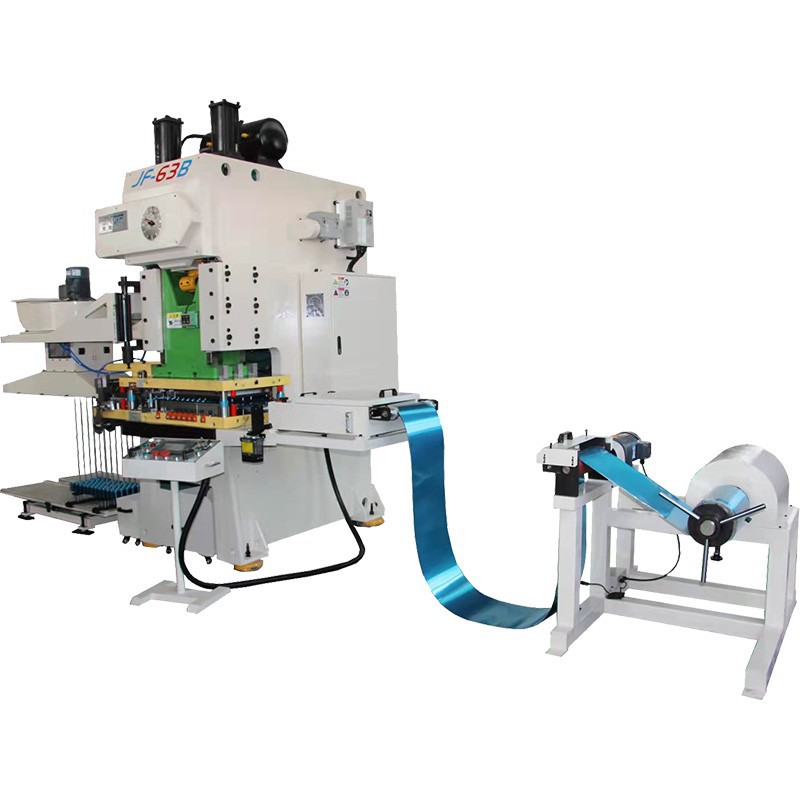
Tooling Knowledge
Knowledge of different punching tools is essential for optimal machine operation. There are various types of punching tools available, such as round punches, square punches, and special - shaped punches. Operators need to understand the characteristics of each tool, including its size, shape, material, and cutting edge geometry. They should be able to select the right tool for the specific punching operation based on the material type, thickness, and the required hole or cutout size.
Additionally, operators must know how to properly install and adjust the punching tools in the machine. Incorrect tool installation can lead to poor punching quality, tool damage, or even machine breakdown. They also need to be familiar with tool sharpening and replacement procedures to maintain the cutting performance of the tools.
Manual and Physical Skills
Machine Setup
Before starting any punching operation, a proper machine setup is essential. This includes tasks such as loading the raw material onto the machine bed, aligning the material accurately, and setting the appropriate punching parameters. Operators need to use measuring tools like calipers, micrometers, and rulers to ensure the material is positioned correctly and that the punching coordinates are accurate.
They also need to adjust the machine settings, such as the punching force, stroke length, and feed rate, according to the material properties and the punching requirements. For instance, when punching thick steel sheets, a higher punching force may be required compared to thin aluminum sheets.
Material Handling
Handling the raw materials safely and efficiently is another important skill. Operators need to be able to lift and move heavy sheets of metal without causing damage to the material or the machine. They should also be aware of the proper storage and handling procedures for different types of materials to prevent corrosion and deformation.
During the punching process, operators need to monitor the material feed to ensure a continuous and smooth operation. They may need to adjust the feed speed or position the material manually to avoid jams or misalignment.
Problem - Solving Skills
Troubleshooting
CNC punching machines are complex pieces of equipment, and problems can occur during operation. Operators need to have strong troubleshooting skills to identify and resolve issues quickly. Common problems include tool breakage, punching misalignment, material jams, and electrical or mechanical failures.
When a problem occurs, operators need to analyze the symptoms, check the machine parameters, and review the program to determine the root cause. For example, if the punching holes are off - center, the operator may need to check the alignment of the tool, the material positioning, or the programming coordinates. They should be able to use diagnostic tools and follow the machine's maintenance manual to fix the problem.
Quality Control
Maintaining high - quality punching results is a top priority. Operators need to have a keen eye for detail and be familiar with quality control techniques. They should regularly inspect the punched parts for defects such as burrs, cracks, or incorrect hole sizes. If any defects are found, operators need to identify the cause, make the necessary adjustments to the machine or the program, and re - punch the parts if needed.
Safety Skills
Machine Safety
Safety is of utmost importance when operating a CNC punching machine. Operators must be familiar with the machine's safety features, such as emergency stop buttons, safety guards, and interlocks. They should always follow the safety procedures and wear appropriate personal protective equipment (PPE), including safety glasses, gloves, and ear protection.
Before operating the machine, operators should perform a safety check to ensure that all safety devices are functioning properly. They also need to be aware of the potential hazards associated with the punching process, such as flying debris, electrical shock, and moving parts.
Workplace Safety
In addition to machine safety, operators should also be mindful of workplace safety. They need to keep the work area clean and organized to prevent tripping and falling hazards. They should also be trained on how to handle and store hazardous materials, such as lubricants and coolants, safely.
Continuous Learning and Adaptability
Keeping Up with Technology
The field of CNC punching technology is constantly evolving. New machine models with advanced features and capabilities are being introduced regularly. Operators need to be willing to learn and adapt to these changes. They can attend training courses, read industry publications, and participate in online forums to stay updated on the latest trends and technologies in CNC punching.
Process Improvement
Operators should also have the mindset of continuous process improvement. They can analyze the punching process, identify areas for improvement, and suggest changes to increase productivity, reduce costs, and improve quality. For example, they may propose new tooling strategies or programming techniques to optimize the punching operation.
As a punching machine supplier, we offer a wide range of high - quality punching machines, including Stamping Machine Line for Air Condition, Open Type Fin Press Line, and H Type Fin Press Line. If you are interested in purchasing a punching machine or have any questions about operating them, please do not hesitate to contact us. We are ready to provide you with professional advice and support to help you make the most out of your punching operations.
References
- "CNC Machining Handbook", Industrial Press Inc.
- "CAD/CAM for CNC Machining", Pearson Education
- Various technical manuals of leading CNC punching machine manufacturers.


