Are there any alternative machines to a fin press?
As a supplier of fin presses, I often encounter inquiries from customers about alternative machines to fin presses. In the manufacturing industry, especially in the production of heat exchangers and air - conditioning components, fin presses play a crucial role. However, there are indeed some alternative machines that can perform similar functions, and understanding these alternatives can help customers make more informed decisions.
The Role of Fin Presses
Fin presses are specialized machines used to create fins for heat exchangers. These fins are essential for increasing the surface area of the heat exchanger, which in turn enhances heat transfer efficiency. They can produce fins with high precision and speed, making them ideal for large - scale production. Our Open Type Fin Press Line and H Type Fin Press Line are examples of high - performance fin presses that have been well - received in the market.
Alternative Machines
Stamping Machines
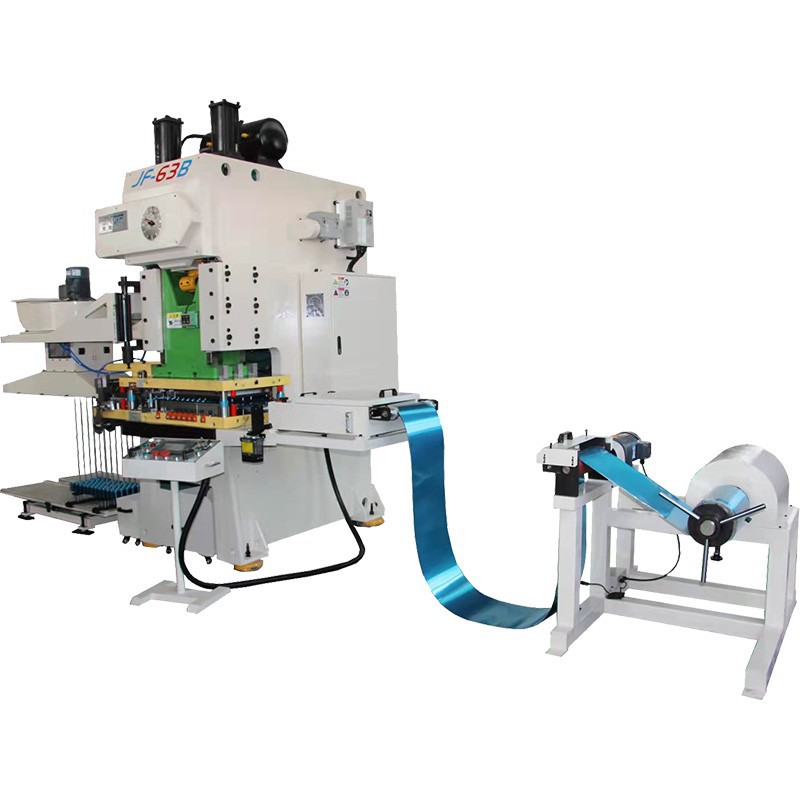
Stamping machines are one of the most common alternatives to fin presses. A Stamping Machine Line for Air Condition can be used to create fins in a similar way to fin presses. Stamping machines work by using a die to cut and shape metal sheets into the desired fin shape.
One advantage of stamping machines is their versatility. They can be used to produce a wide variety of shapes and sizes of fins, and they can also be used for other stamping operations in addition to fin production. However, compared to fin presses, stamping machines may have lower precision in fin production, especially when it comes to creating complex fin geometries.

Laser Cutting Machines
Laser cutting machines are another alternative. These machines use a high - powered laser to cut through metal sheets to create fins. Laser cutting offers high precision and can be used to create very intricate fin designs. It is also suitable for cutting a variety of materials, including different types of metals and alloys.
However, laser cutting machines are generally more expensive than fin presses and stamping machines. The operating cost is also relatively high due to the consumption of laser - generating materials and the need for regular maintenance. Additionally, the cutting speed of laser cutting machines may be slower compared to fin presses for mass production.
Water Jet Cutting Machines
Water jet cutting machines use a high - pressure stream of water mixed with abrasive particles to cut through materials. They can be used to create fins with relatively high precision. Water jet cutting is a cold - cutting process, which means there is no heat - affected zone, reducing the risk of material deformation.
Similar to laser cutting machines, water jet cutting machines have a relatively high cost, both in terms of equipment purchase and operation. The cutting speed is also not as fast as fin presses for large - scale production.
Comparison of Fin Presses and Alternative Machines
Precision
Fin presses are designed specifically for fin production and can achieve very high precision in creating fins with consistent dimensions and shapes. Stamping machines can also provide good precision, but they may have limitations when it comes to complex fin designs. Laser cutting and water jet cutting machines can offer high precision, but they may require more careful calibration and setup.
Production Speed
Fin presses are known for their high production speed, making them suitable for large - scale manufacturing. Stamping machines can also operate at a relatively high speed, but laser cutting and water jet cutting machines are generally slower, especially when cutting large volumes of fins.
Cost
Fin presses have a relatively high initial investment, but they offer long - term cost - effectiveness due to their high production speed and efficiency. Stamping machines are generally more affordable in terms of initial cost. Laser cutting and water jet cutting machines have high initial and operating costs, which may not be suitable for all budgets.
When to Choose an Alternative Machine
There are several situations where choosing an alternative machine to a fin press may be a better option.
If you need to produce a small quantity of fins with complex designs, laser cutting or water jet cutting machines may be more suitable. Their high precision can ensure that the fins meet the required specifications.
If you have a limited budget and do not require extremely high precision, stamping machines can be a cost - effective choice. They can still produce fins of acceptable quality for many applications.
Conclusion
While fin presses are the go - to machines for large - scale fin production, there are alternative machines available that can offer different advantages depending on the specific requirements of the production. As a fin press supplier, I understand that each customer has unique needs, and I am always ready to provide professional advice on choosing the most suitable machine.
If you are interested in learning more about fin presses or exploring alternative machines for your production needs, please feel free to contact us for a detailed discussion. We can provide you with in - depth information and help you make the best decision for your business.
References
- Smith, J. (2018). Manufacturing Processes for Heat Exchanger Fins. Journal of Manufacturing Technology, 25(3), 123 - 135.
- Johnson, A. (2019). Comparison of Different Cutting Technologies for Metal Fin Production. International Journal of Precision Engineering, 18(2), 89 - 98.
- Brown, R. (2020). The Role of Stamping Machines in the Air - Conditioning Industry. Industrial Manufacturing Review, 32(4), 201 - 210.