

Hey there! As a supplier of high-speed fin presses, I've seen my fair share of common problems that users might run into. In this blog, I'm gonna share some tips on how to troubleshoot these issues.
1. Mechanical Noise and Vibration
One of the most common problems you might notice is excessive mechanical noise and vibration. This can be a real headache, but don't worry, there are ways to fix it.
First off, check the mounting of the fin press. Make sure it's firmly installed on a stable foundation. Loose mounting can cause the machine to vibrate and make noise. If you find any loose bolts or screws, tighten them up right away.
Next, take a look at the moving parts. Worn-out bearings are a major culprit for noise and vibration. Inspect the bearings regularly and replace them if they show signs of wear, like excessive play or rough surfaces. You can also lubricate the moving parts according to the manufacturer's recommendations. Proper lubrication reduces friction and helps the machine run smoothly.
Another thing to consider is the alignment of the components. Misaligned parts can cause uneven stress and lead to noise and vibration. Check the alignment of the press bed, the punch, and the die. If they're out of alignment, you may need to adjust them using the appropriate tools.
2. Poor Fin Quality
If you're getting fins with uneven shapes, burrs, or other quality issues, there are a few things you can do to troubleshoot.
Start by examining the die. A worn or damaged die can produce poor-quality fins. Check for any signs of wear, such as chipped edges or excessive wear on the forming surfaces. If the die is damaged, you'll need to replace it. Make sure to use high-quality dies that are designed for your specific fin press model.
The material you're using also plays a crucial role in fin quality. Check the thickness and hardness of the fin stock. If the material is too thick or too hard, it may not form properly. On the other hand, if it's too thin or too soft, the fins may be prone to deformation. Make sure to use the right type of material as recommended by the fin press manufacturer.
The pressure settings of the fin press are also important. If the pressure is too low, the fins may not form completely. If it's too high, it can cause excessive deformation or damage to the material. Adjust the pressure settings according to the material and the fin design. You may need to do some trial and error to find the optimal pressure.
3. Electrical Malfunctions
Electrical problems can be a bit tricky to troubleshoot, but with a systematic approach, you can usually find the root cause.
If the fin press won't start or suddenly shuts down, check the power supply first. Make sure the machine is properly plugged in and that the circuit breaker hasn't tripped. If the power supply is okay, check the electrical connections. Loose or corroded connections can cause intermittent electrical problems. Tighten any loose connections and clean any corroded terminals.
The control panel is another area to look at. Check for any error messages on the display. These messages can give you a clue about what's going wrong. If there are no error messages, but the machine isn't functioning correctly, you may need to check the control board. Look for any signs of damage, such as burnt components or loose wires. If you're not comfortable working with electrical components, it's best to call a professional electrician.
The sensors on the fin press are also important for its proper operation. Malfunctioning sensors can cause the machine to behave erratically. Check the sensors for any signs of damage or misalignment. Clean the sensor surfaces to ensure accurate readings. If a sensor is faulty, you'll need to replace it.
4. Feed System Issues
The feed system is responsible for delivering the fin stock to the press. If there are problems with the feed system, it can affect the production efficiency and the quality of the fins.
One common issue is the fin stock getting jammed in the feed system. This can be caused by a variety of factors, such as misaligned guides, dirty feed rollers, or improper tension. Check the guides to make sure they're properly aligned and that there are no obstructions. Clean the feed rollers regularly to remove any debris or build-up. Adjust the tension of the feed system to ensure smooth feeding of the fin stock.
Another problem you might encounter is inconsistent feeding. This can result in uneven fin lengths or gaps between the fins. Check the feed mechanism for any worn or damaged parts. Replace any parts that are showing signs of wear. You may also need to adjust the feed rate to match the speed of the fin press.
5. Hydraulic System Problems
If your fin press has a hydraulic system, you may run into some problems with it from time to time.
One of the most common issues is hydraulic fluid leaks. Leaks can occur at the connections, seals, or hoses. Check the hydraulic system for any signs of fluid leakage, such as puddles on the floor or wet spots on the machine. If you find a leak, tighten the connections or replace the damaged seals or hoses.
Low hydraulic pressure can also cause problems. Check the hydraulic fluid level in the reservoir. If it's low, add the appropriate type of hydraulic fluid. Make sure to follow the manufacturer's recommendations for the fluid type and the filling level. If the pressure is still low after filling the reservoir, there may be a problem with the hydraulic pump or the pressure relief valve. You may need to call a professional hydraulic technician to diagnose and fix the problem.
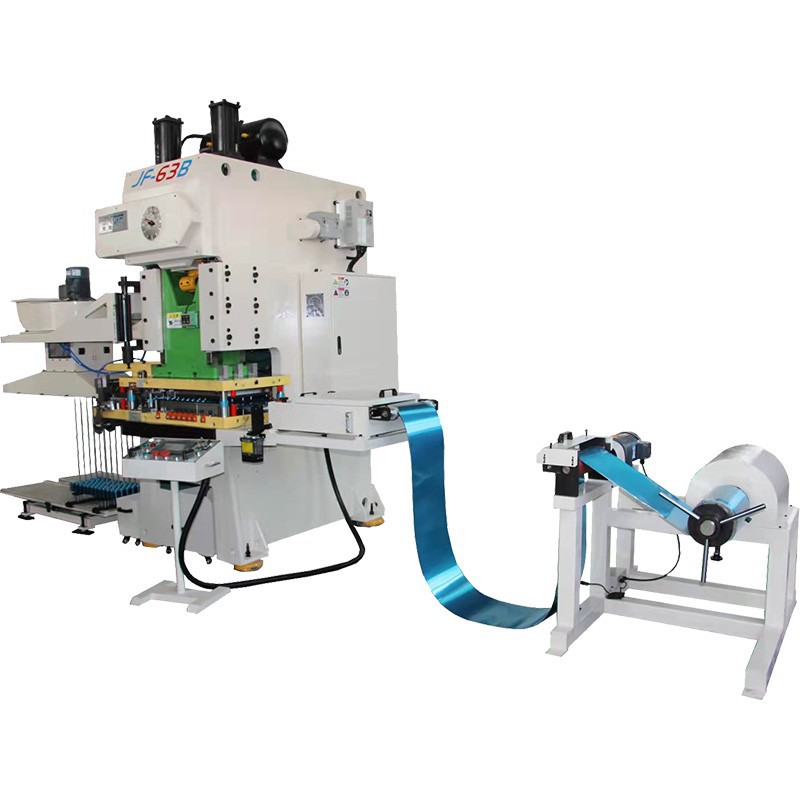

The temperature of the hydraulic fluid is also important. Overheating can cause the fluid to break down and reduce the efficiency of the hydraulic system. Check the cooling system of the hydraulic unit to make sure it's working properly. Clean the cooling fins and check the fan for any signs of damage. If the fluid temperature is still too high, you may need to reduce the workload of the fin press or upgrade the cooling system.
Conclusion
Troubleshooting common problems of a high-speed fin press can seem daunting at first, but by following these tips, you can identify and fix most issues on your own. Remember to always refer to the manufacturer's manual for specific instructions and safety guidelines.
If you're still having problems or need more in-depth technical support, don't hesitate to reach out to us. We're a professional supplier of high-speed fin presses, and we offer a wide range of products, including the Open Type Fin Press Line, the Stamping Machine Line for Air Condition, and the H Type Fin Press Line. Our team of experts is ready to assist you with your fin press needs. Whether you're looking to purchase a new fin press or need help with troubleshooting an existing one, we're here to help. Contact us today to start a purchase negotiation and take your fin production to the next level!
References
- Manufacturer's manuals for high-speed fin presses
- Industry standards and best practices for fin press maintenance and troubleshooting


