

What is the impact of humidity on the operation of a fin press line?
Hey there! As a supplier of fin press lines, I've seen firsthand how different environmental factors can affect the performance of these machines. One factor that often doesn't get as much attention as it should is humidity. In this blog post, I'm going to dive into the impact of humidity on the operation of a fin press line and why it's something you need to keep an eye on.
First off, let's talk about what a fin press line is. A fin press line is a crucial piece of equipment in the manufacturing of heat exchangers, which are used in a variety of applications like air conditioners and refrigerators. The line is responsible for stamping and forming the fins that are an essential part of the heat exchanger's design.
Now, humidity can have both short - term and long - term effects on the operation of a fin press line. On a short - term basis, high humidity can cause issues with the lubrication of the machine. Most fin press lines rely on a lubrication system to reduce friction between the moving parts and the metal sheets being stamped. When the humidity is high, the moisture in the air can mix with the lubricant, changing its viscosity.
Imagine pouring water into oil; it changes the consistency and the way it behaves. The same thing happens to the lubricant in a fin press line. If the lubricant becomes too thin due to the added moisture, it won't provide adequate protection for the machine's components. This can lead to increased wear and tear on the dies, punches, and other moving parts. You might start to notice more frequent breakdowns and a decrease in the quality of the stamped fins. The fins may have rough edges or inconsistent shapes because the machine isn't operating as smoothly as it should.
On the flip side, low humidity can also be a problem. In a low - humidity environment, static electricity becomes a major issue. When the air is dry, there's less moisture to conduct electricity, so static charges can build up on the metal sheets and the machine itself. This static electricity can attract dust and debris, which can then get into the moving parts of the fin press line.
The dust can cause abrasion and damage to the components. It can also interfere with the stamping process, leading to defects in the fins. For example, the dust might get stuck between the die and the metal sheet, causing small holes or uneven surfaces on the fins. And let's not forget that static electricity can also be a safety hazard as it can cause shocks to the operators.

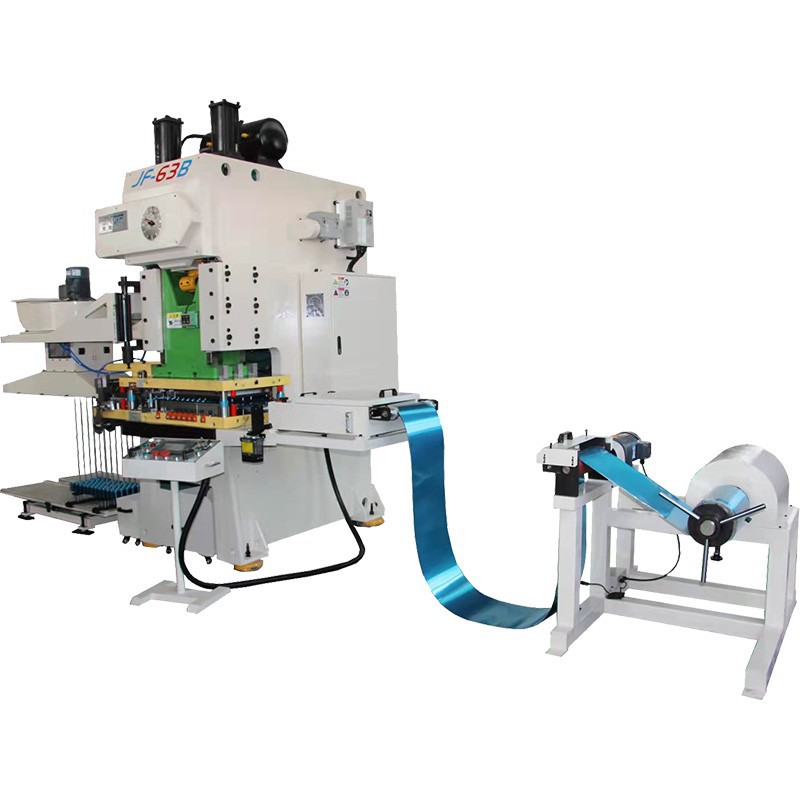
Now, let's talk about the long - term effects of humidity on a fin press line. High humidity over an extended period can lead to corrosion of the machine's metal parts. Moisture in the air reacts with the metal, especially if it's not properly protected. The corrosion can weaken the structural integrity of the machine, making it more prone to failure. It can also affect the accuracy of the stamping process as the corroded parts may not move or align correctly.
Corrosion can also be a major headache when it comes to maintenance. It's often very difficult and time - consuming to remove corrosion, and in some cases, the damaged parts may need to be replaced entirely. This can lead to significant downtime and increased costs for the manufacturer.
Another long - term effect is related to the electrical components of the fin press line. High humidity can cause moisture to seep into the electrical cabinets and wiring. This can lead to short - circuits, electrical malfunctions, and even fires in extreme cases. Electrical problems are not only dangerous but can also be very expensive to fix.
So, what can you do to mitigate the effects of humidity on a fin press line? One of the most effective solutions is to control the humidity in the manufacturing environment. You can use dehumidifiers in high - humidity areas to remove excess moisture from the air. In low - humidity areas, humidifiers can be used to add moisture to the air and reduce the risk of static electricity.
It's also important to regularly inspect and maintain the lubrication system. Check the lubricant levels and its condition regularly and replace it if necessary. Make sure the machine is properly cleaned and protected to prevent dust and debris from accumulating, especially in a dry environment.
Now, I'd like to briefly introduce some of the fin press lines we offer. If you're interested in an Open Type Fin Press Line, it's a great option for many manufacturing setups. It offers flexibility and easy access for maintenance. Our H Type Fin Press Line is known for its high - precision stamping and reliability. And for those in the air - conditioning manufacturing industry, our Stamping Machine Line for Air Condition is specifically designed to meet the unique requirements of that sector.
If you're in the market for a fin press line or want to learn more about how to protect your existing equipment from the effects of humidity, don't hesitate to reach out. We're here to help you find the best solutions for your manufacturing needs. Whether it's choosing the right fin press line or implementing humidity control measures, we've got the expertise to guide you through the process.
In conclusion, humidity can have a significant impact on the operation of a fin press line. By being aware of these effects and taking proactive steps to control humidity, you can ensure the smooth and efficient operation of your equipment, reduce maintenance costs, and improve the quality of your products. So, if humidity is something you've been overlooking, it's time to start paying attention.
References
- Industry reports on the impact of environmental factors on manufacturing equipment.
- Technical manuals of fin press lines.


